
Click here to view the promo video with sound.
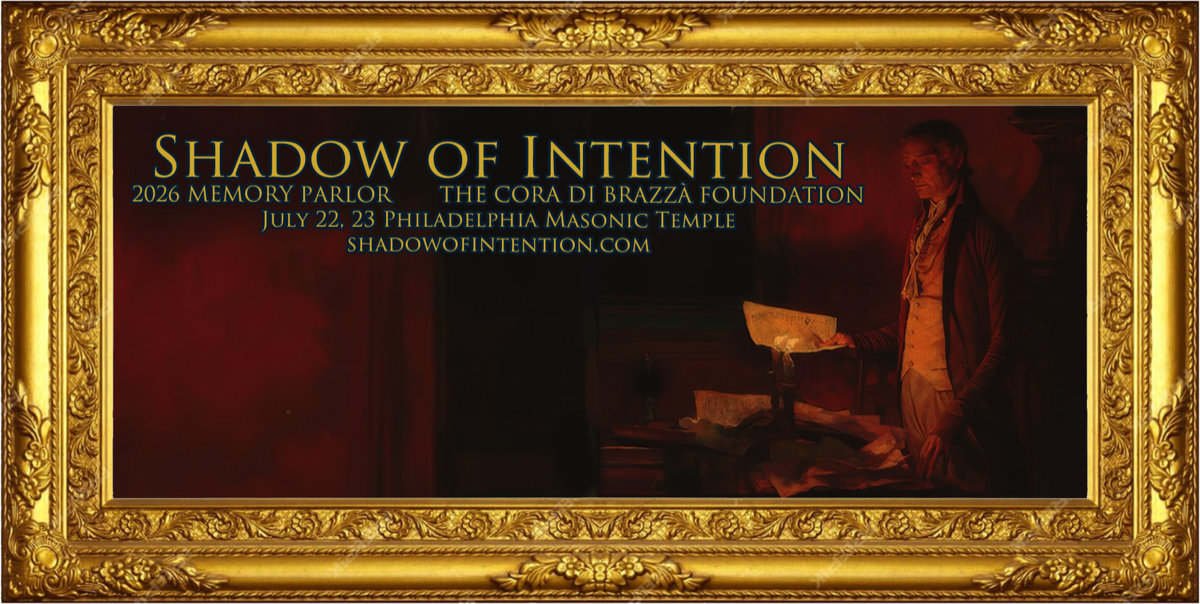
"Shadow of Intention" is the 2026 Memory Parlor sponsored by the Cora di Brazzà Foundation. It convenes on July 22 and 23rd, at the breathtaking Philadelphia Masonic Temple. To learn more about our Memory Parlors, and to see our archives of those past, click here.
Inspired by the ancient “Art of Memory,” our 2026 Parlor explores the theme of “Shadow of Intention,” a polysemous concept that helps to connect a number of morally relevant moments in peace and justice history and philosophy. The year 2026 marks several significant anniversaries: the 250th anniversary of the U.S. Declaration of Independence; the 125th anniversary of the birth of Korean philosopher Ham Sok Hon (1901–1989); the 30th anniversary of the International Court of Justice’s Advisory Opinion on the legality of the threat or use of nuclear weapons; and the 25th anniversary of the death of philosopher G. E. M. Anscombe (1919–2001). Anscombe’s landmark work Intention (1957) profoundly shaped philosophical reflection on the relationship between intention and action, while also intensifying the moral force of her critique of President Harry S. Truman’s decision to use atomic bombs in 1945, articulated in her essay “Mr. Truman’s Degree,” published seventy years ago in 1956. Together, these commemorations serve as the principal conceptual anchors for this year’s gathering.
The first day of the Parlor (July 22, 2026) will focus on narratives that illuminate the relationship between intention and the ideals articulated in the U.S. Declaration of Independence. Those ideals—grounded in the equality and natural rights of all persons—inspired later declarations written in response to the gap between the aspirations of 1776 and the realities of political and social life. The various “Declarations of Sentiments” advanced by abolitionist, peace, and suffrage movements in the nineteenth century drew inspiration from the Declaration while also extending and refining its moral claims. John Brown’s 1859 “Declaration of Liberty,” which pushed these questions still further in ways that continue to invite moral and political reflection in the nuclear age, will also be explored on Day 1.
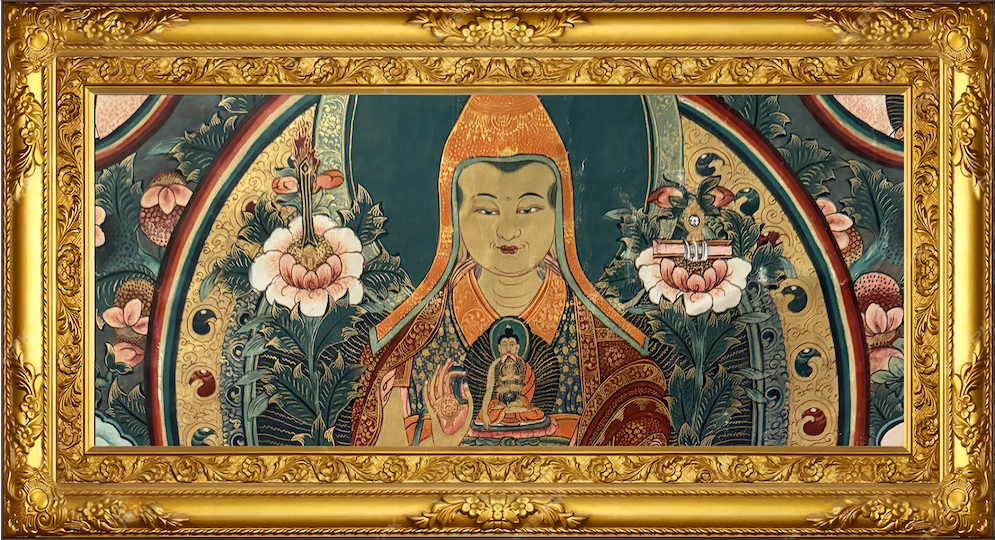
The second day of the Parlor (July 23, 2026) will turn eastward, examining how philosophical traditions ranging from Buddhist ethics to the thought of Ham Sok Hon understand intention, moral commitment, and the public declaration of ethical principles. Buddhist ethics identifies “right intention” as a central component of the Noble Eightfold Path and employs symbolic, contemplative, and ethical practices to assist in its cultivation. Ham Sok Hon’s July 4, 1953 poem “The Great Declaration,” together with the 1976 Myeongdong Declaration—for which he and other peace and democracy advocates were imprisoned—extended these concerns in ways that linked truth, creativity, conscience, independence, and moral responsibility.
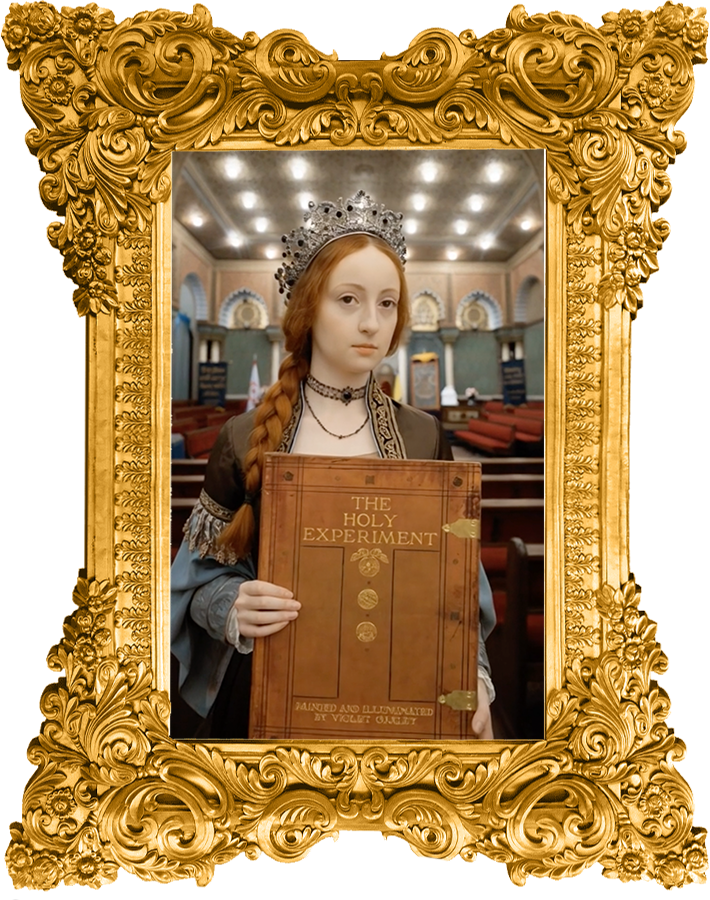
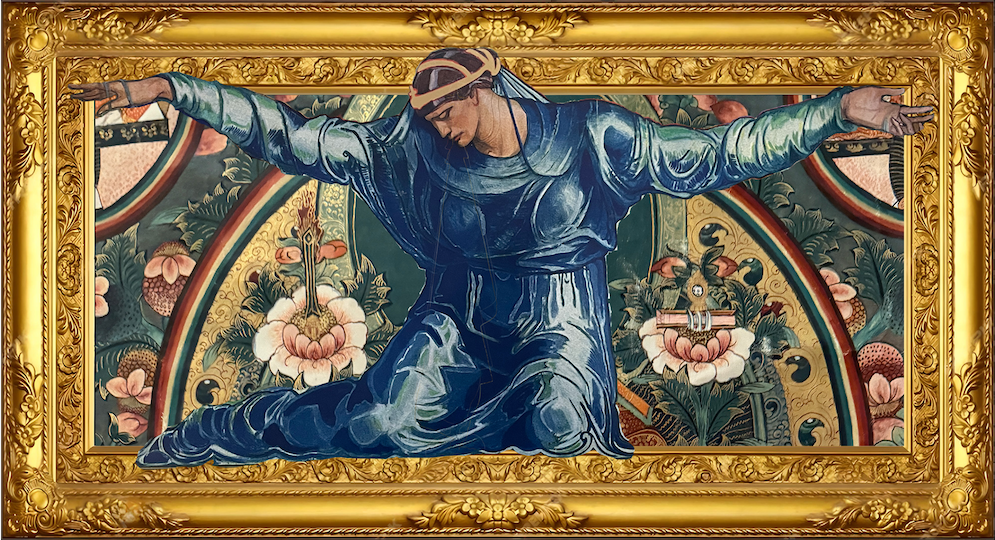
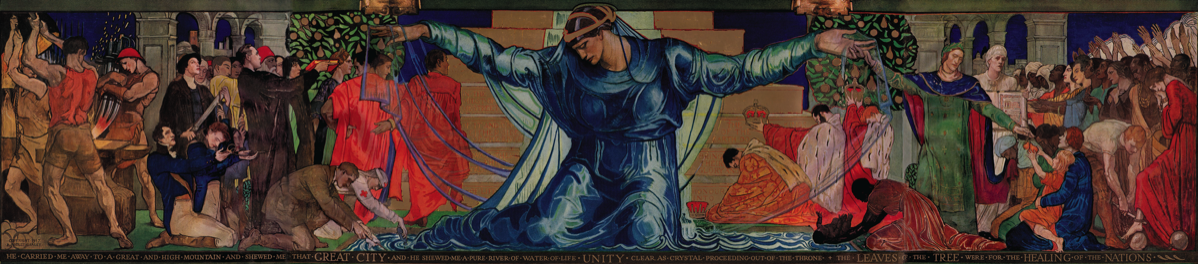
On both days, a rare copy of Violet Oakley’s folio, “The Holy Experiment,” will be on display. Published in 1922 in a limited edition of only 500 copies, the folio contains twenty-two color reproductions of the monumental mural cycles created by Violet Oakley for the Pennsylvania State Capitol. Together, the images present Oakley’s sweeping moral and political vision of the United States—one grounded in conscience, unity, justice, and the pursuit of peace through law. For Oakley, these were not merely American ideals, but universal principles that she believed should undergird a more united and humane world order.
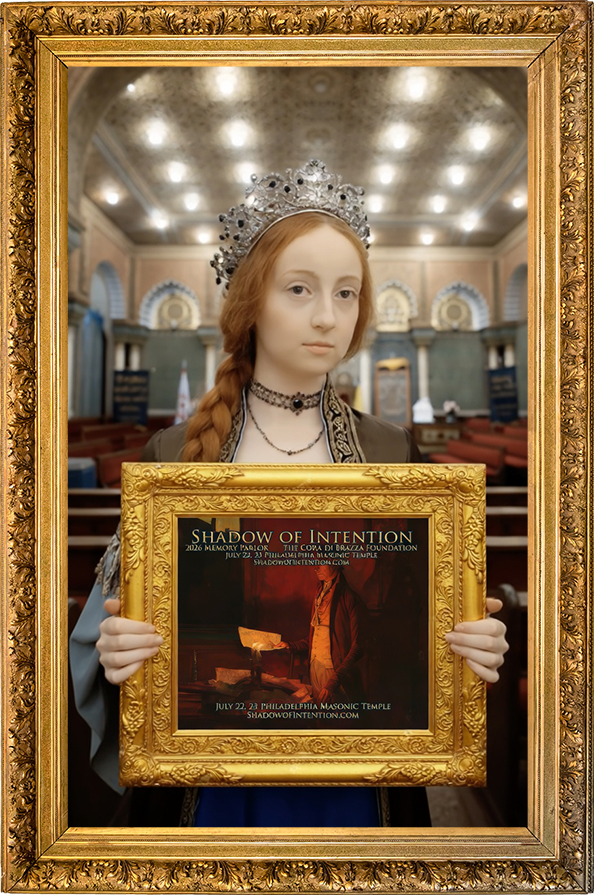

"Shadow of Intention" is the 2026 Memory Parlor sponsored by the Cora di Brazzà Foundation. It convenes on July 22 and 23rd, at the breathtaking Philadelphia Masonic Temple. To learn more about our Memory Parlors, and to see our archives of those past, click here.
Inspired by the ancient “Art of Memory,” our 2026 Parlor explores the theme of “Shadow of Intention,” a polysemous concept that helps to connect a number of morally relevant moments in peace and justice history and philosophy. The year 2026 marks several significant anniversaries: the 250th anniversary of the U.S. Declaration of Independence; the 125th anniversary of the birth of Korean philosopher Ham Sok Hon (1901–1989); the 30th anniversary of the International Court of Justice’s Advisory Opinion on the legality of the threat or use of nuclear weapons; and the 25th anniversary of the death of philosopher G. E. M. Anscombe (1919–2001). Anscombe’s landmark work Intention (1957) profoundly shaped philosophical reflection on the relationship between intention and action, while also intensifying the moral force of her critique of President Harry S. Truman’s decision to use atomic bombs in 1945, articulated in her essay “Mr. Truman’s Degree,” published seventy years ago in 1956. Together, these commemorations serve as the principal conceptual anchors for this year’s gathering.
The first day of the Parlor (July 22, 2026) will focus on narratives that illuminate the relationship between intention and the ideals articulated in the U.S. Declaration of Independence. Those ideals—grounded in the equality and natural rights of all persons—inspired later declarations written in response to the gap between the aspirations of 1776 and the realities of political and social life. The various “Declarations of Sentiments” advanced by abolitionist, peace, and suffrage movements in the nineteenth century drew inspiration from the Declaration while also extending and refining its moral claims. John Brown’s 1859 “Declaration of Liberty,” which pushed these questions still further in ways that continue to invite moral and political reflection in the nuclear age, will also be explored on Day 1.
The second day of the Parlor (July 23, 2026) will turn eastward, examining how philosophical traditions ranging from Buddhist ethics to the thought of Ham Sok Hon understand intention, moral commitment, and the public declaration of ethical principles. Buddhist ethics identifies “right intention” as a central component of the Noble Eightfold Path and employs symbolic, contemplative, and ethical practices to assist in its cultivation. Ham Sok Hon’s July 4, 1953 poem “The Great Declaration,” together with the 1976 Myeongdong Declaration—for which he and other peace and democracy advocates were imprisoned—extended these concerns in ways that linked truth, creativity, conscience, independence, and moral responsibility.
On both days, a rare copy of Violet Oakley’s folio, “The Holy Experiment,” will be on display. Published in 1922 in a limited edition of only 500 copies, the folio contains twenty-two color reproductions of the monumental mural cycles created by Violet Oakley for the Pennsylvania State Capitol. Together, the images present Oakley’s sweeping moral and political vision of the United States—one grounded in conscience, unity, justice, and the pursuit of peace through law. For Oakley, these were not merely American ideals, but universal principles that she believed should undergird a more united and humane world order.